
You turn a corner in Kyoto in early April and the street simply ends in pink. Petals drift across a canal, an old wooden teahouse glows behind a curtain of blossom, and for a moment the whole city feels like it is holding its breath. Spring is Kyoto’s finest season — two or three weeks when seventeen centuries of temples, gardens and old streets are dressed in cherry blossom — and knowing exactly where to stand makes all the difference.
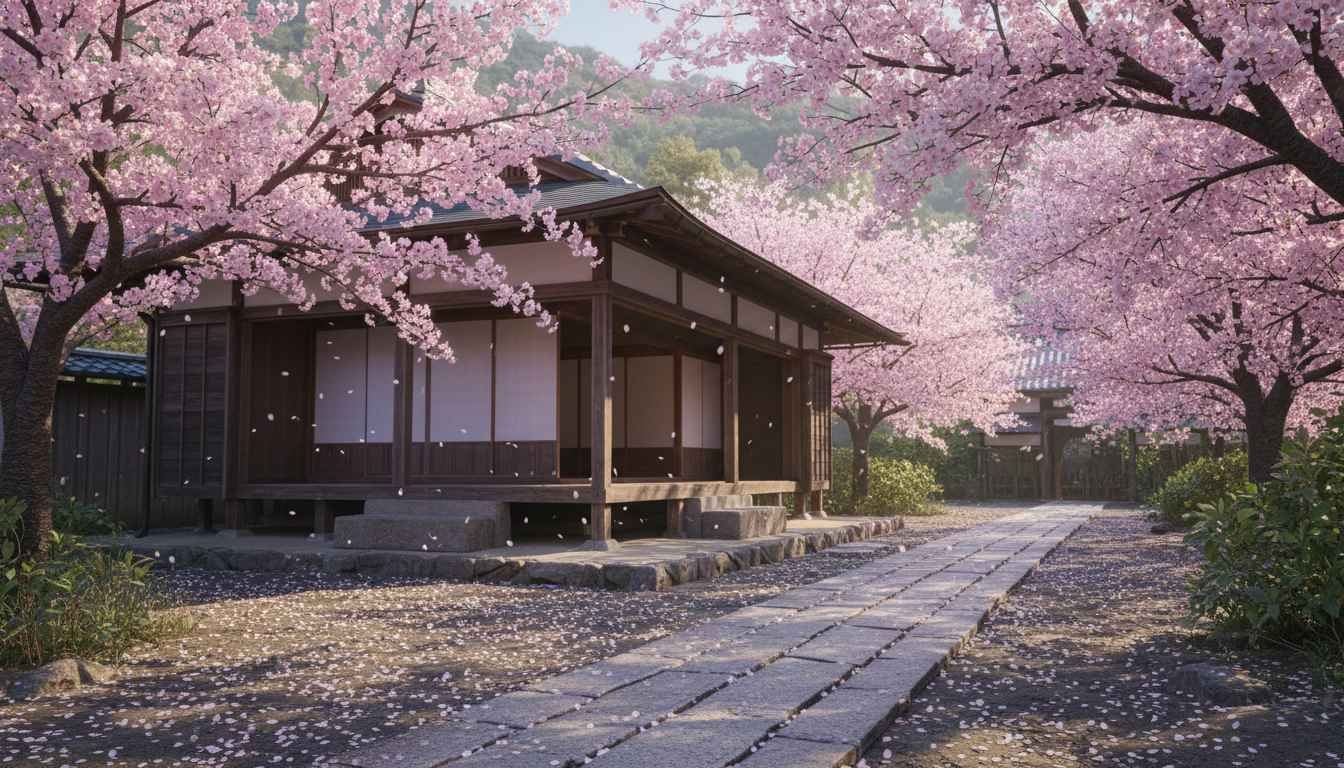
The best places to visit in Kyoto during spring aren’t just the famous names; they’re the places where the blossom and the setting amplify each other. Here is where to go, in an order that actually works as an itinerary.
Maruyama Park: Kyoto’s Hanami Headquarters
If you see one cherry tree in Kyoto, make it the great weeping cherry of Maruyama Park. This centuries-old shidarezakura is floodlit at night during blossom season, and the park beneath it fills with hanami parties — tarps, bento boxes, office colleagues and families, all out under the petals. Arrive late afternoon to claim a spot, stay for the illuminations, and you’ll understand why the Japanese have celebrated this season for over a thousand years.
The Philosopher’s Path: A Canal of Blossom
This two-kilometer stone path follows a canal lined with hundreds of cherry trees, running between Ginkaku-ji and the Nanzen-ji area. In full bloom it becomes a tunnel of pale pink, with petals drifting onto the water. Go early in the morning — by midday it is one of the busiest walks in the city. The side streets hold small shrines and cafes that most visitors walk straight past.
Kiyomizu-dera: Blossom Above the City
The great wooden terrace of Kiyomizu-dera juts out over a hillside of cherry trees, giving you blossom at eye level with the city spread out below. It is spectacular by day and, during the spring illuminations, genuinely magical at night when the trees are lit from below. This is a UNESCO World Heritage temple, so expect company — but the scale of the place absorbs crowds better than most.
Arashiyama: Bamboo, Blossom and the River
Western Kyoto earns a full day. The bamboo grove is the headline, but in spring the real show is along the Hozu River and around Tenryu-ji temple, where cherry trees frame the garden’s famous borrowed scenery of the Arashiyama hills. Cross Togetsu-kyo bridge at sunset for the classic view, and if your legs are willing, climb to Iwatayama Monkey Park for blossom with a panoramic payoff.
Fushimi Inari at Dawn
The thousand vermilion torii gates of Fushimi Inari are a year-round wonder, but in spring the lower slopes are brushed with cherry blossom — red gates, pink petals, dark cedar forest. The trick is timing: arrive before 8 a.m. and you’ll have the famous Senbon Torii corridors nearly to yourself. The full hike up Mount Inari takes two to three hours; even the first viewpoint is worth the climb.
Heian Shrine and Nijo Castle: Gardens of Weeping Cherry
Heian Jingu’s vast garden is built around ponds and weeping cherry trees that bloom slightly later than the park varieties — useful if you arrive at the tail of the season. Nearby Nijo Castle, the old Tokugawa palace, lines its moats and plazas with cherry trees; the contrast of blossom against the castle’s fortified walls and nightingale floors is pure Kyoto. Both are easy half-day stops that pair well together.
Daigo-ji: The Temple That Defined Hanami
Daigo-ji in southeastern Kyoto is where the warlord Toyotomi Hideyoshi held his legendary blossom-viewing parties in the 1590s — arguably the moment hanami became Japan’s national spring ritual. The temple grounds still hold hundreds of cherry trees of many varieties, which stretches the viewing season. Fewer foreign tourists make it out here, which is their loss.
When Do Cherry Blossoms Peak in Kyoto?
Peak bloom in Kyoto usually falls between late March and early April, but it shifts by a week or more every year depending on winter temperatures. The Japan Meteorological Corporation and the Japan National Tourism Organization publish blossom forecasts each spring — check them before you book, and build a day or two of flexibility into your trip. If you miss the peak, the late-blooming weeping cherries at Heian Shrine and Daigo-ji buy you extra days.
Hanami Tips for First-Timers
A few customs keep the season pleasant for everyone: don’t shake or climb the trees, take all your rubbish with you (bins are scarce), and keep voices down in temple grounds. Convenience-store hanami sets — bento, snacks, a ground sheet — are a perfectly respectable way to picnic. And if spring in Kyoto leaves you wanting more of Japan’s seasons, see how the country flips the palette in our guide to the best place to visit in Osaka during autumn.
FAQ
- How long does cherry blossom season last in Kyoto?
Full bloom typically lasts about a week, with the whole season — first flowers to falling petals — running roughly two to three weeks from late March. - Is Kyoto crowded during cherry blossom season?
Yes, it is one of the busiest times of the year. Visit major spots early in the morning or on weekday evenings, and mix famous sites with quieter ones like Daigo-ji. - Can you see cherry blossoms and temples in one day?
Easily. A classic day runs: Fushimi Inari at dawn, the Philosopher’s Path mid-morning, Kiyomizu-dera in the afternoon, and Maruyama Park’s illuminations at night.
Final Thoughts
Kyoto in spring is not subtle — it is the city at its most beautiful and its most crowded, all at once. Plan around the blossom forecast, start your days early, and let the petals set the pace. You’ll leave with a camera full of pink and a clear understanding of why an entire culture stops to watch flowers fall.