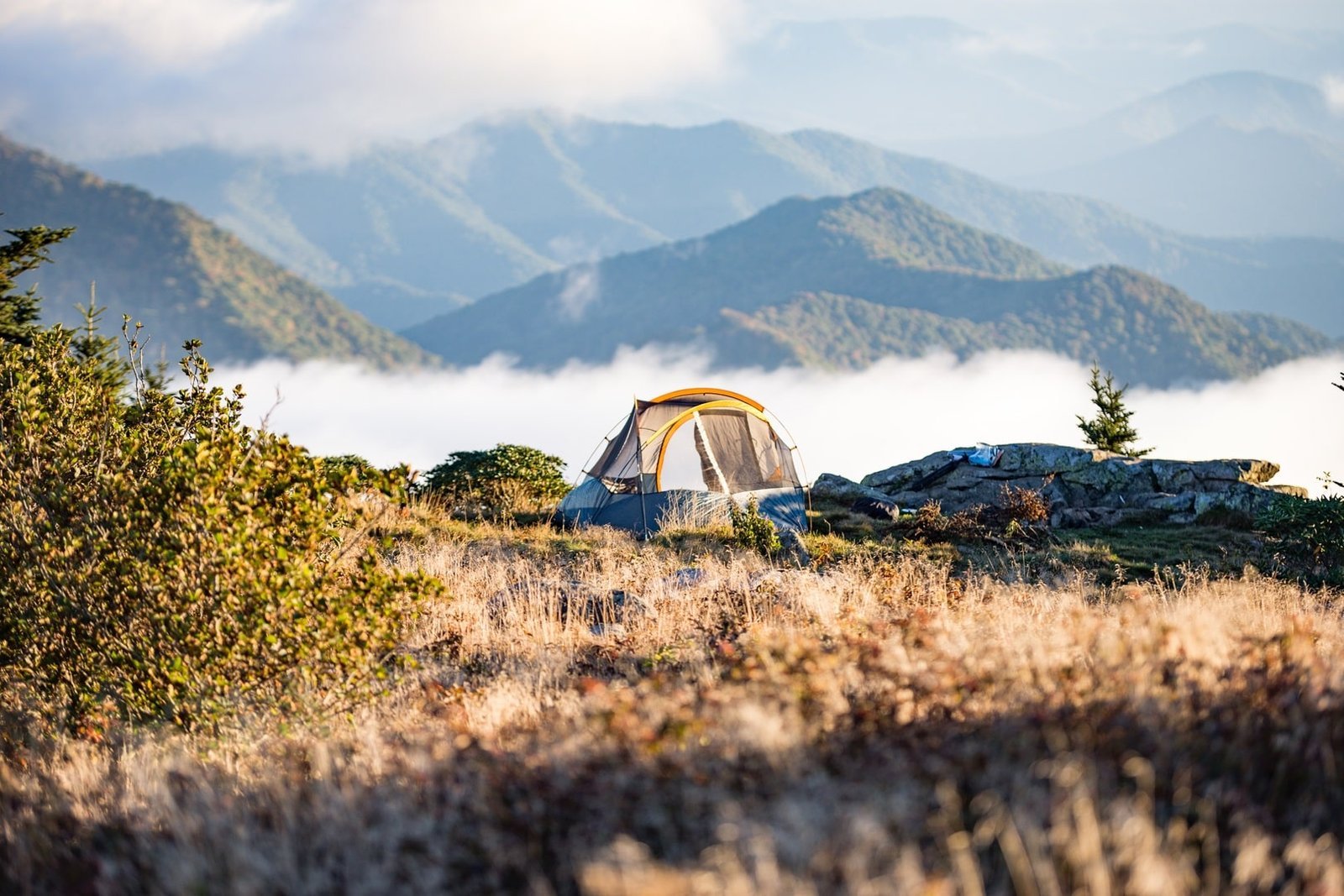

You’ve seen Malibu a hundred times without ever going there — in films, in surf documentaries, in celebrity real-estate headlines. The surprise is that the real place is better than the postcard: 21 miles of coastline where the Santa Monica Mountains drop straight into the Pacific, with beaches that range from world-famous surf breaks to coves you’ll share with a dozen people. Here are the best places to visit in Malibu, CA, in an order that works from east to west.
Zuma Beach: The Classic Malibu Beach Day
Start with the obvious, because the obvious is excellent. Zuma is Malibu’s biggest and most beloved beach — wide, clean sand, lifeguards, food concessions and some of the best people-watching on the coast. The surf here is real (rip currents included), so swim near the lifeguard towers. Arrive before 10 a.m. on summer weekends or the parking lots fill and you’ll be circling.
El Matador Beach: The Photographer’s Cove
A short drive west, El Matador is the Malibu of engagement photos and film shoots: sea stacks rising from the surf, hidden sea caves at low tide, and a staircase down the bluff that feels like a descent into somewhere secret. Go at low tide and near sunset for the full effect — and wear shoes with grip, because the rocks are slippery and the stairs are steep.
Point Dume: Cliffs, Whales and the Best Viewpoint
The bluff at Point Dume is the finest viewpoint in Malibu: sheer cliffs, the curve of Santa Monica Bay to the south, and on clear winter days, gray whales migrating past on their way to Baja. Bring binoculars from December through April and scan the horizon for spouts. The beach below the point is calmer and less crowded than Zuma — a local favorite for a reason.
Malibu Lagoon State Beach: Surf History in the Water
Known to surfers as Surfrider Beach, the point break at the Malibu Lagoon is where modern surf culture was essentially invented — the long, peeling right-hander starred in countless 1960s surf films. Even if you don’t surf, it’s worth watching the longboarders from the sand, and the adjacent lagoon is a protected estuary with serious birdwatching: herons, egrets and, in season, snowy plovers.
Adamson House and the Malibu Lagoon Museum
Overlooking the lagoon, the Adamson House is a 1929 Spanish Colonial Revival mansion built by the family that once owned most of Malibu — complete with extraordinary Malibu tile work in nearly every room. Guided tours run on a limited schedule, so check ahead. It’s the single best window into the Malibu that existed before the celebrities arrived.
The Malibu Pier: Walk It at Sunset
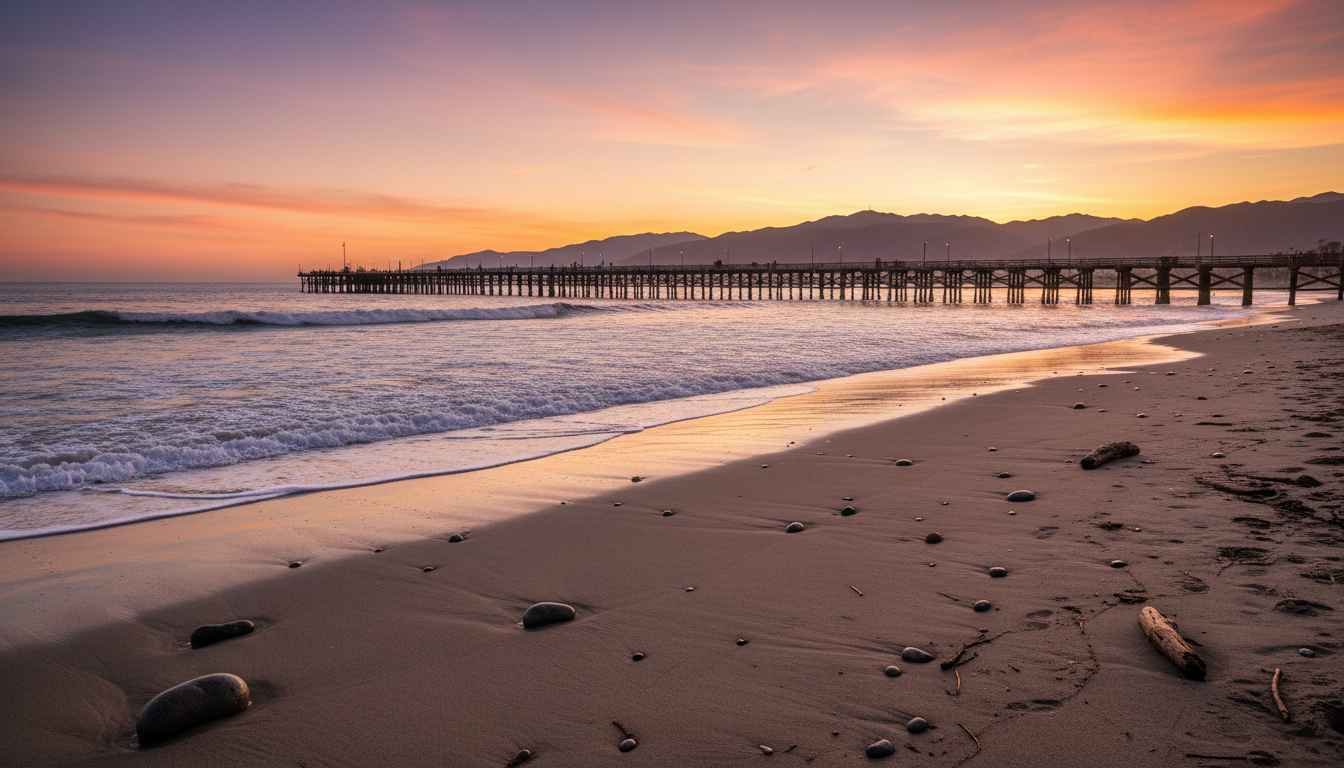
The historic pier at Surfrider Beach has been rebuilt more than once since the early 1900s, and today it’s a working pier with a farm-to-table restaurant at the end and fishermen casting lines off the sides. Walk the full length near sunset, when the light turns the water gold and the mountains behind you go purple. It costs nothing and it never gets old.
The Getty Villa: Ancient Rome on the Pacific
Just east of Malibu proper in Pacific Palisades, the Getty Villa houses the museum’s collection of Greek, Roman and Etruscan art in a recreated Roman country house — peristyle gardens, reflecting pools, frescoed walls. Admission is free (parking has a fee, and advance tickets are required). It’s the best rainy-day or scorcher-day escape on this list, and the gardens alone justify the trip.
Solstice Canyon: The Hike Worth Your Morning
For the Santa Monica Mountains without the commitment, Solstice Canyon delivers: an easy-to-moderate trail through a shaded canyon to a small waterfall and the haunting ruins of a 1950s ranch house burned in a wildfire. Go after winter rains for the best waterfall flow, carry more water than you think you need, and check trail conditions — the Santa Monica Mountains National Recreation Area site has current closures and alerts.
Whale Watching Season in Malibu
From roughly December through April, Pacific gray whales migrate past Malibu on their round trip between Alaska and Baja California — one of the longest migrations of any mammal. Point Dume is the classic shore vantage, and several operators run dedicated whale-watching cruises from nearby harbors. Blue whales occasionally appear offshore in summer. If a whale is on your bucket list, winter is when to come.
Practical Tips for Visiting Malibu
A few things that make the trip smoother: parking at the popular beaches fills early on weekends — arrive before 10 a.m. or aim for late afternoon. The Pacific Coast Highway is the only way through, and it gets slow; build in buffer time. Cell service drops in the canyons, so download maps offline. And if you’re staying in the San Fernando Valley, Malibu pairs perfectly with a Valley day — see our guide to places to visit near Woodland Hills, CA for what’s on the other side of the hill.
FAQ
- What is Malibu most famous for?
Its beaches — Zuma, Surfrider and El Matador — its surf culture, the Malibu Pier, celebrity homes along Carbon Beach (“Billionaire’s Beach”), and the Getty Villa. - How many days do you need in Malibu?
Two full days cover the beaches, the pier, Adamson House and one canyon hike. Add a third if you want the Getty Villa and a whale-watching cruise without rushing. - Can you swim in Malibu year-round?
The water is swimmable year-round but chilly — typically in the 60s Fahrenheit, warmest in late summer. A wetsuit makes winter and spring swimming far more pleasant.
Final Thoughts
Malibu works because it refuses to be just one thing: a surf town, a hiking destination, a museum stop, a sunset you’ll talk about for years. Do the beaches, walk the pier, take one canyon trail — and you’ll understand why this 21-mile strip of coast has held the world’s attention for a century.