
You have just spent a morning watching tigers move through dry forest and grassland in Ranthambore National Park, and now you have an afternoon to spare. The good news is that the country around the park is worth exploring in its own right: a thousand-year-old hill fort, a quiet lake full of birds, a valley where leopards roam, and a small Rajasthani town where daily life continues much as it has for generations. This guide covers the best places to visit near Ranthambore National Park, and how to combine them with your safari days.
Ranthambore Fort: A Thousand Years Above the Forest
Ranthambore Fort stands on a hill inside the national park area, and it is the single most rewarding sight near the park after the safari itself. The fort dates back to around the 10th century, and it later became part of the group of Hill Forts of Rajasthan recognised by UNESCO. Climb to the top for sweeping views over the park’s lakes and forest, and look for the temples, gates, and ruined palaces within the walls. Because the fort sits inside the park’s landscape, you may spot langur monkeys and birds along the way, and the climb itself is a pleasant walk rather than a strenuous trek. Go in the morning or late afternoon to avoid the midday heat.
Trinetra Ganesh Temple: The Fort’s Living Shrine
Within the fort, the Trinetra Ganesh Temple is one of the oldest Ganesha temples in Rajasthan and remains an active place of worship, especially on Wednesdays, when devotees arrive in large numbers. The temple’s three-eyed idol is unusual, and the steady stream of local visitors gives the fort a living, working character that many historic sites lack. Dress respectfully, remove your shoes where asked, and allow time to watch the rituals rather than rushing through.
Sawai Madhopur: The Town at the Park Gate
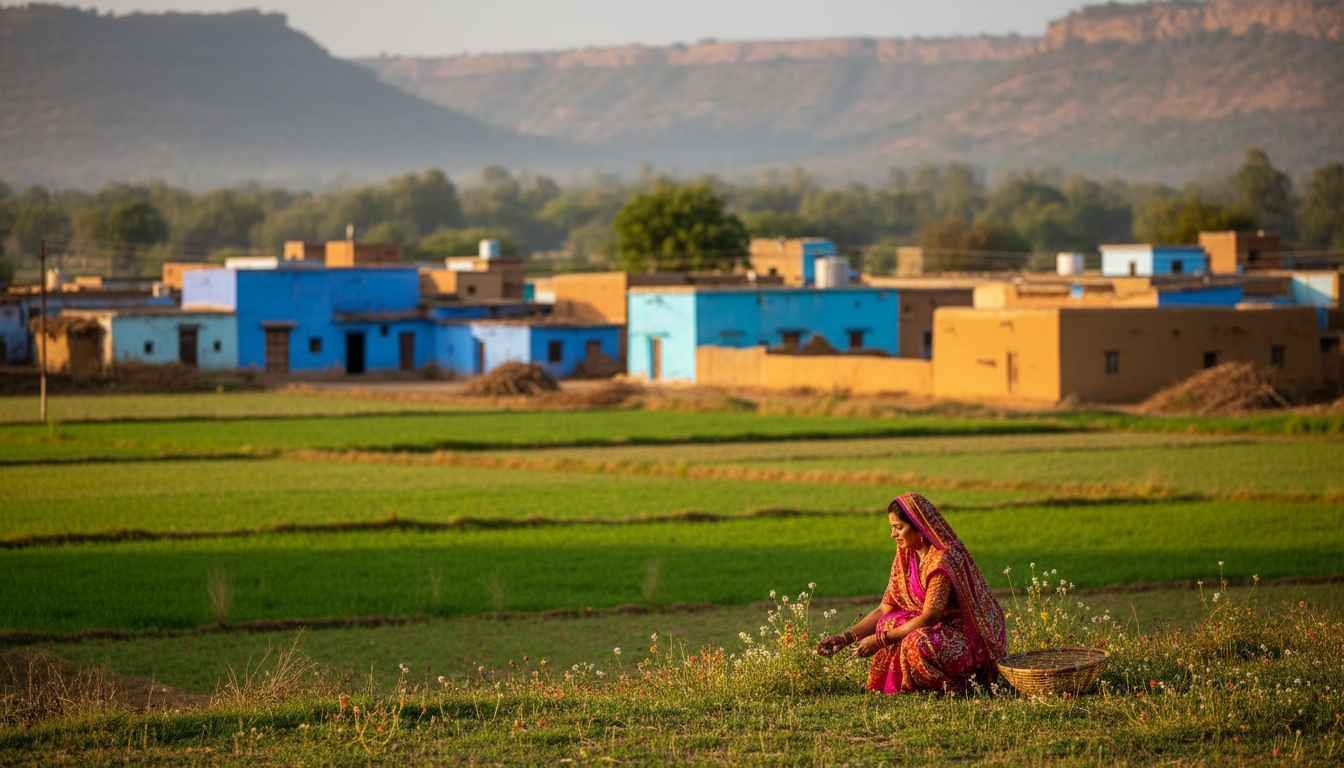
Sawai Madhopur is the small town that serves the park, and it deserves more than a pass-through. Its markets sell Rajasthani textiles, pottery, and jewellery, and its streets give a genuine picture of small-town Rajasthan — tea stalls, temples, and workshops rather than tourist staging. The town also holds the Rajiv Gandhi Regional Museum of Natural History, which explains the region’s ecology and is a good stop for families before or after a safari. Staying in or near the town, rather than at a remote resort, also makes early-morning safari departures much easier.
Surwal Lake: Birds and Quiet Water
A short drive from the park, Surwal Lake is a calm contrast to the excitement of a safari. The lake attracts migratory birds in the cooler months, and its shoreline is a good place for a slow morning walk with binoculars. Unlike the park, there is no entry system or vehicle queue here — just open water, farmland, and birdlife. Visit at dawn or dusk, when the light is best and the birds are most active, and combine it with a village drive through the surrounding countryside.
Kachida Valley: Leopards, Bears, and Open Views
Kachida Valley, on the edge of the park, is known for its rocky outcrops, open meadows, and wildlife — leopards and sloth bears are both associated with this area, and it is a favourite among photographers for its panoramic views. The valley is best visited as part of a safari drive or with a local guide who knows the area, since wildlife moves unpredictably and the terrain is rough in places. Even without a sighting, the valley’s landscape — golden grass, scattered lakes, and distant hills — is worth the trip.
Padam Talao and Raj Bagh Ruins: The Park’s Classic Lake Scene
Inside the park’s safari zones, Padam Talao is the largest lake, and its shoreline is one of the classic Ranthambore scenes: water birds, marsh crocodiles, and, with luck, a tiger coming down to drink. Nearby, the Raj Bagh ruins — old pavilions and arches half-reclaimed by the forest — make for atmospheric photographs. You cannot visit these independently; they are seen during a safari drive, so mention them to your driver if you are hoping for a lakeside route.
Jogi Mahal and the Lakeside Forest
Close to Padam Talao, Jogi Mahal is a former hunting lodge turned forest rest house, set among trees near the water. It is not a major monument, but its setting captures the old Ranthambore atmosphere — a reminder that this landscape was once a royal hunting ground before it became a protected park. The area around it is good for birdwatching, and it makes a peaceful pause on a longer safari route.
Safari and Trip Planning Tips
Safaris in Ranthambore run in morning and afternoon slots and are shared in jeeps or larger canter vehicles. Book well ahead for the cooler months from October to March, which are the most popular season, and remember that tiger sightings are never guaranteed — the park’s birds, deer, and landscapes make the drive worthwhile regardless. Carry water, sun protection, and a warm layer for early-morning starts in winter, when open vehicles get cold. If you are extending your India trip after Rajasthan, our guides to places to visit in Vasco da Gama, Goa and best places to visit in Rishikesh cover two very different next stops.
FAQ
How many days do you need near Ranthambore? Two to three days works well: two safari drives, a morning at the fort, and an afternoon at Surwal Lake or in Sawai Madhopur town.
When is the best time to visit? October to March offers cooler weather and comfortable safari conditions. Summer is very hot but can offer good wildlife viewing around water sources; the park closes during the monsoon season, so check dates before booking.
Is the area suitable for families? Yes. Children usually enjoy the fort, the lake, and the museum, and safari vehicles are shared, so book seats together in advance. Keep young children close near lakes and fort edges.
Final Thoughts
Ranthambore is famous for its tigers, but the places around it — the fort, the lakes, the valley, and the town — are what turn a safari into a full trip. Give yourself an extra day beyond the safari drives, walk the fort in the morning light, and spend an unhurried afternoon in Sawai Madhopur. For general trip planning across India, the official Incredible India tourism site is a useful starting point for transport and seasonal information. The park’s wildlife may be the reason you come, but the landscape and history around it are often what you remember.