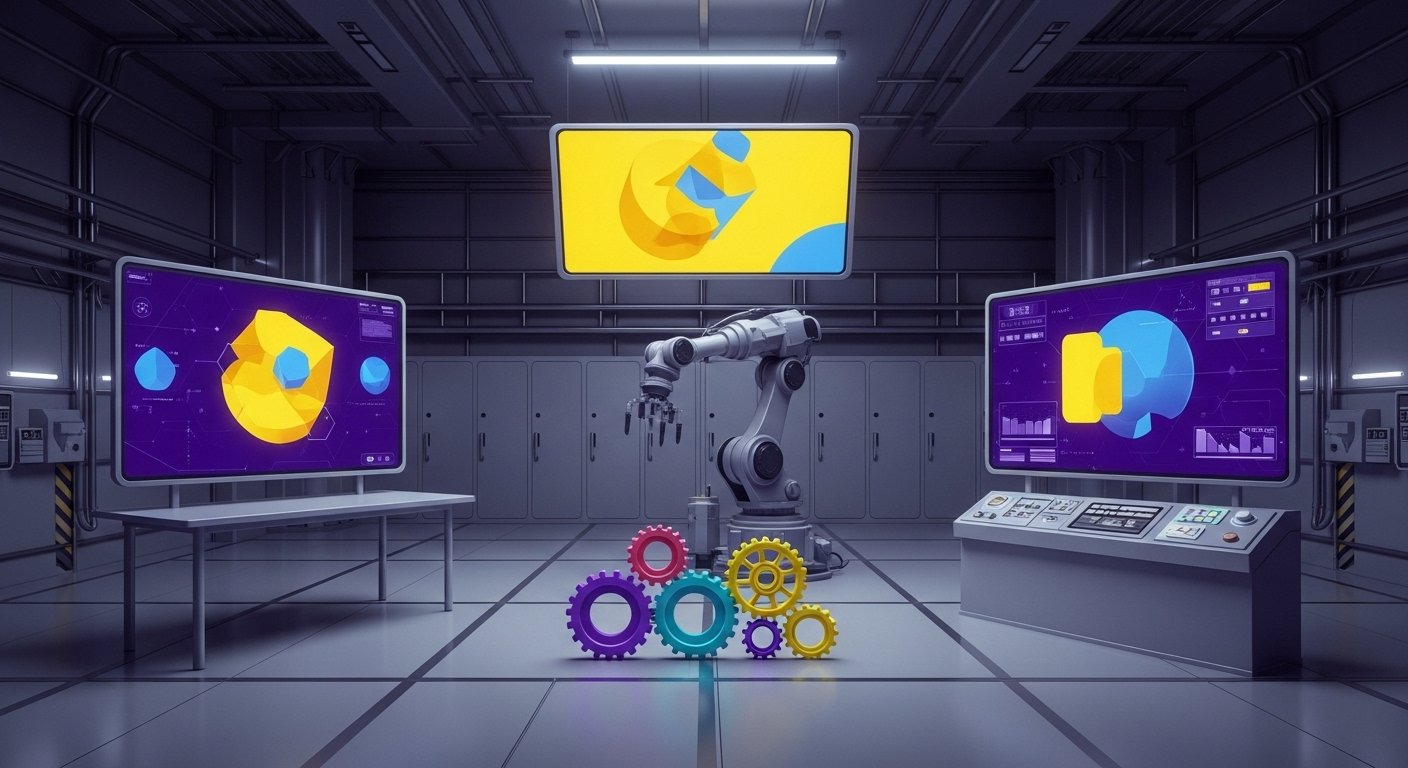


The manufacturing sector is currently facing an overwhelming number of choices for digital transformation, making decision-making increasingly complex. The vast array of options, technologies, and strategies available for digital marketing is creating a paradox for manufacturers – where too many choices can result in stagnation. This situation is leaving many firms stuck between the traditional methods they know and the promise of modern digital tools, which are essential for future growth and success.
Market Friction & Problem: Overwhelming Digital Choices in Manufacturing
The shift to digital marketing has brought with it a host of new tools and strategies. For many manufacturing companies, the complexity of these options is a significant barrier to entry. These businesses are often uncertain about how to integrate digital marketing into their existing operations. They understand the need for a strong online presence but struggle with aligning digital tools with their long-term business goals.
The lack of a clear digital marketing roadmap often results in inefficient resource allocation, wasted budgets, and missed growth opportunities. Manufacturers are faced with the challenge of balancing traditional marketing methods with modern digital strategies. The question remains: how do they navigate these complexities while maintaining their core operations?
Strategic Resolution Protocol
To resolve this friction, manufacturers need a strategic approach to digital marketing. The first step is to identify the unique needs of their business. This involves understanding the digital channels that best align with their target audience and operational goals. Manufacturing firms must evaluate their digital marketing objectives based on measurable results rather than adopting all available technologies.
One of the most effective approaches is to start small and scale up. Manufacturers can begin by testing different digital strategies on a smaller scale, such as focusing on specific digital platforms or tools. Once the company sees success in a particular area, they can expand their efforts gradually, ensuring that each step is measurable and aligned with their overall business strategy.
Future Economic Implications
The future of manufacturing digital marketing lies in deeper personalization and automation. As AI and machine learning technologies advance, manufacturers will be able to refine their digital marketing strategies to target customers with unprecedented precision. This will lead to increased revenue generation opportunities and the ability to forge more personalized, lasting relationships with clients.
Historical Evolution: Digital Transformation in Manufacturing
Over the past decade, digital marketing has revolutionized how manufacturers engage with their customers. In the early stages, many manufacturers viewed digital marketing as a secondary strategy, with traditional marketing channels like trade shows and print media taking precedence. However, as the digital landscape evolved, the limitations of these traditional methods became apparent, particularly in reaching a global audience.
As the industry began to realize the importance of an online presence, digital marketing strategies started to gain traction. Companies began investing in websites, social media, and SEO to reach broader audiences. Early adopters of digital marketing in the manufacturing sector gained a competitive edge by being able to communicate directly with potential customers in real time, which was previously unattainable.
Strategic Resolution Protocol
Manufacturers that successfully transitioned to digital marketing during this phase did so by embracing data-driven decision-making. They understood that digital marketing was not just about having an online presence but about measuring the return on investment (ROI) from each campaign. Leveraging data analytics allowed manufacturers to make informed decisions, optimize campaigns, and ultimately generate more leads.
While this evolution was an exciting one, it was not without challenges. Many manufacturers faced difficulties integrating digital marketing into their existing workflows. These hurdles were compounded by the need for specialized skills and expertise, which often led to delays and inefficiencies in execution.
Future Economic Implications
Looking ahead, digital transformation in manufacturing will become even more integrated into every aspect of business operations. With the rise of the Internet of Things (IoT) and connected devices, manufacturers will have access to real-time data that can be used not only to improve product quality but also to drive more personalized marketing campaigns. By integrating these technologies, manufacturers will create more targeted, cost-effective marketing strategies that resonate with customers on a deeper level.
Strategic Resolution Protocol: Data-Driven Digital Marketing in Manufacturing
For manufacturing firms to overcome the paradox of choice and the historical limitations of traditional marketing methods, they need to adopt a data-driven digital marketing strategy. This involves utilizing customer insights, analytics tools, and machine learning to create highly personalized campaigns that speak directly to the needs and desires of the target audience.
Using analytics tools such as Google Analytics, social media insights, and CRM systems, manufacturers can gain a deep understanding of customer behavior. This data empowers firms to optimize their marketing efforts and track performance across multiple digital channels, allowing them to focus on high-return strategies.
Strategic Resolution Protocol
In addition to data-driven strategies, manufacturers should adopt an agile approach to digital marketing. This means continuously testing and iterating on campaigns to identify the most effective channels and methods. Through regular performance reviews and adjustments, companies can ensure they are not only keeping up with industry trends but also staying ahead of the curve.
The key to success in this new landscape lies in balancing the high volume of digital tools with a focused, measured approach. Manufacturers that can embrace data-driven strategies and automation will be poised for success in the next phase of digital transformation.
Future Economic Implications
The future of digital marketing in manufacturing will be characterized by a strong reliance on AI and automation. These technologies will allow manufacturers to automate routine marketing tasks, freeing up valuable resources to focus on strategic decision-making. The ability to personalize marketing at scale will also lead to more efficient use of marketing budgets and increased revenue generation opportunities.
The ROI of Digital Marketing: Measuring Success in Manufacturing
As manufacturers continue to adopt digital marketing strategies, one of the key concerns is measuring ROI. Unlike traditional marketing, where the impact can be difficult to quantify, digital marketing provides clear metrics for success, including website traffic, engagement rates, and conversion rates. These metrics allow manufacturers to understand exactly how their marketing efforts are performing.
However, despite the availability of data, many manufacturers still struggle to interpret and act on this information. Without the right tools and expertise, data can become overwhelming and lead to confusion about what is driving success. This is why manufacturers need to focus on building strong analytics capabilities and utilizing them to make informed decisions.
Strategic Resolution Protocol
The solution to this problem lies in integrating data analytics with marketing automation tools. These platforms can help manufacturers streamline their marketing efforts and better understand their audience’s behavior. By automating certain tasks, manufacturers can focus on high-value activities that drive greater ROI.
Ultimately, measuring success in digital marketing requires a clear set of goals and KPIs that align with business objectives. Manufacturers need to establish these goals early in their digital transformation journey and track them rigorously to ensure that their marketing efforts are delivering measurable value.
Future Economic Implications
In the future, manufacturers will have access to more advanced analytics tools that integrate seamlessly with other business systems. This will allow for more precise measurement of ROI and further optimization of marketing efforts. With the ability to track performance in real time, manufacturers can quickly adapt their strategies to capitalize on emerging opportunities.
Benchmarking Digital Marketing Success in the Manufacturing Ecosystem
As the manufacturing sector continues to evolve, benchmarking digital marketing success will become an increasingly important activity. Manufacturers will need to assess their performance against industry standards and best practices to ensure they are on track to meet their goals.
Effective benchmarking will involve tracking key performance indicators (KPIs) such as lead generation, conversion rates, and customer lifetime value. These metrics will provide valuable insights into the effectiveness of digital marketing strategies and highlight areas where improvements are needed.
Strategic Resolution Protocol
To build a robust benchmarking system, manufacturers need to identify the most relevant KPIs for their business. These KPIs should reflect the specific goals of their digital marketing campaigns and align with their overall business strategy. Once these metrics are identified, manufacturers can track them over time to ensure their marketing efforts are yielding the desired results.
Additionally, manufacturers should consider partnering with digital marketing agencies or consultants to gain external insights and validation. External benchmarking can provide an objective perspective on performance and help manufacturers identify opportunities for improvement.
Future Economic Implications
The future of benchmarking in digital marketing will see the rise of predictive analytics, which will allow manufacturers to forecast future trends based on historical data. This will help manufacturers make more proactive decisions and stay ahead of the competition in the rapidly changing digital landscape.
B2B.Money offers an example of how leveraging data analytics and benchmarking can drive digital marketing success, providing actionable insights that help manufacturers stay competitive in the global market.