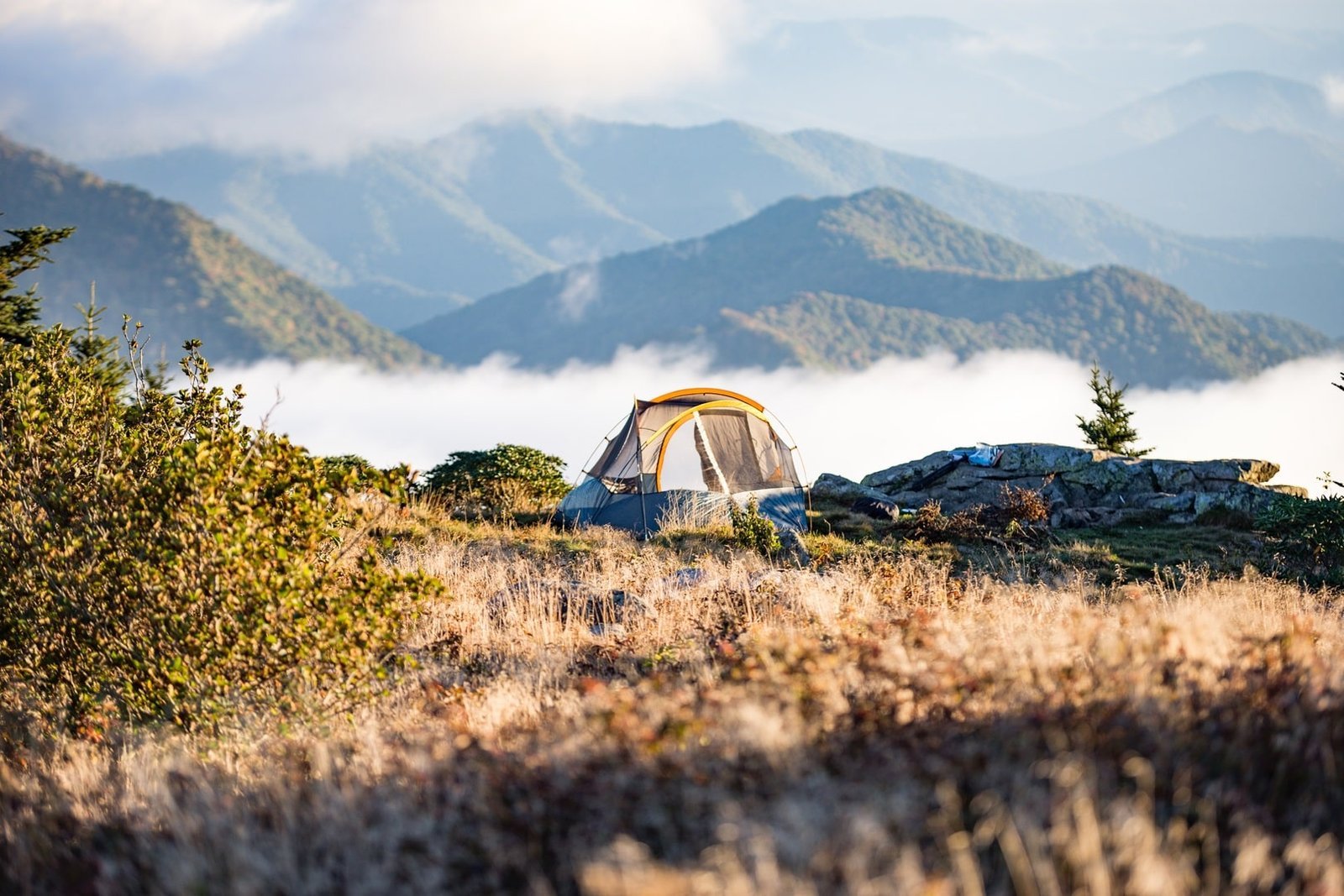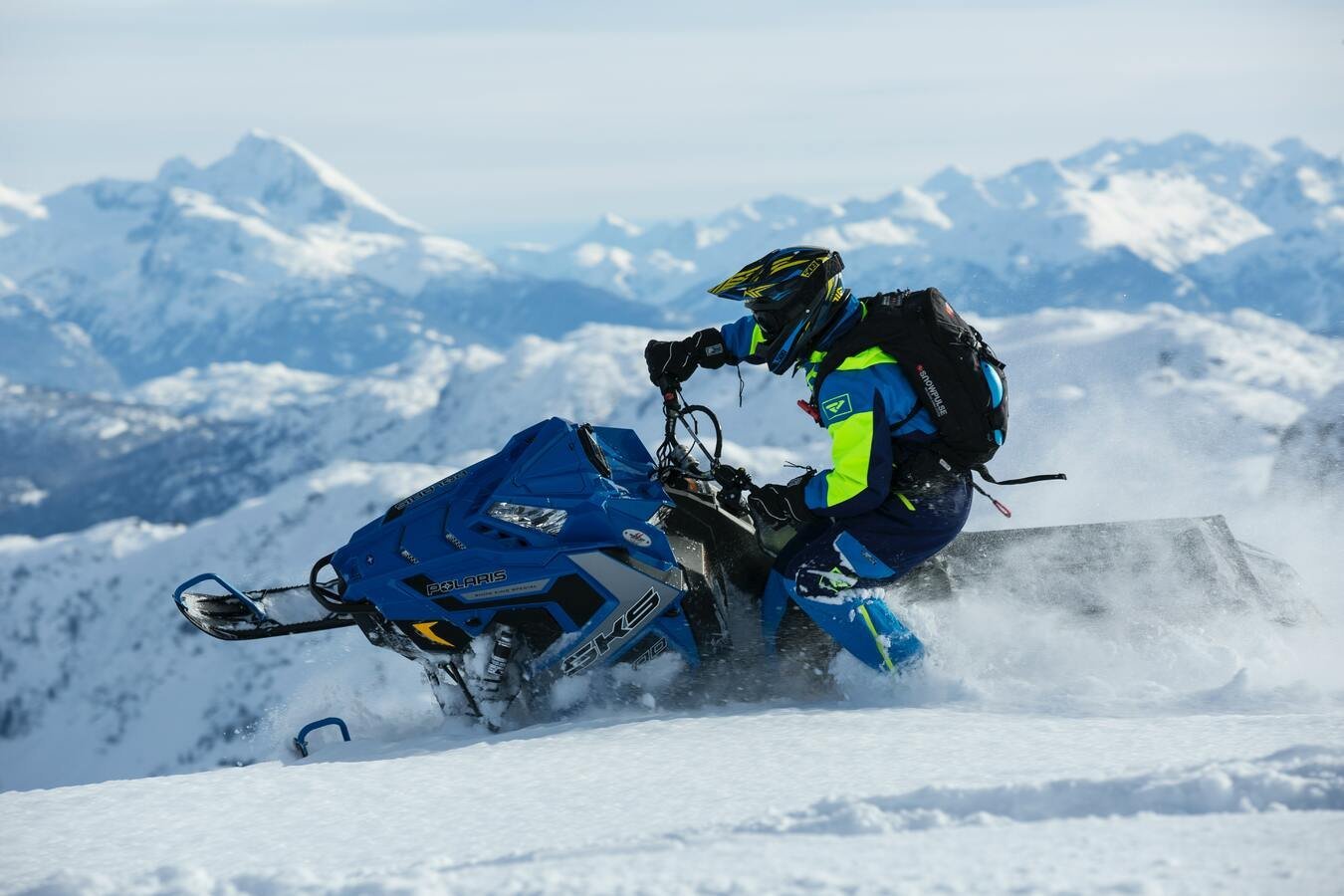

You’re driving a two-lane road in October, and the hills on both sides are on fire — not literally, but the maples make it a close thing. Or it’s February and you’re on a chairlift watching the Green Mountains roll out white to the horizon. Or it’s July and you’re eating a creemee (that’s Vermont for soft-serve) after a morning hike. The honest answer to “where is the best place to visit in Vermont” is: it depends on the month. Here’s how to choose.
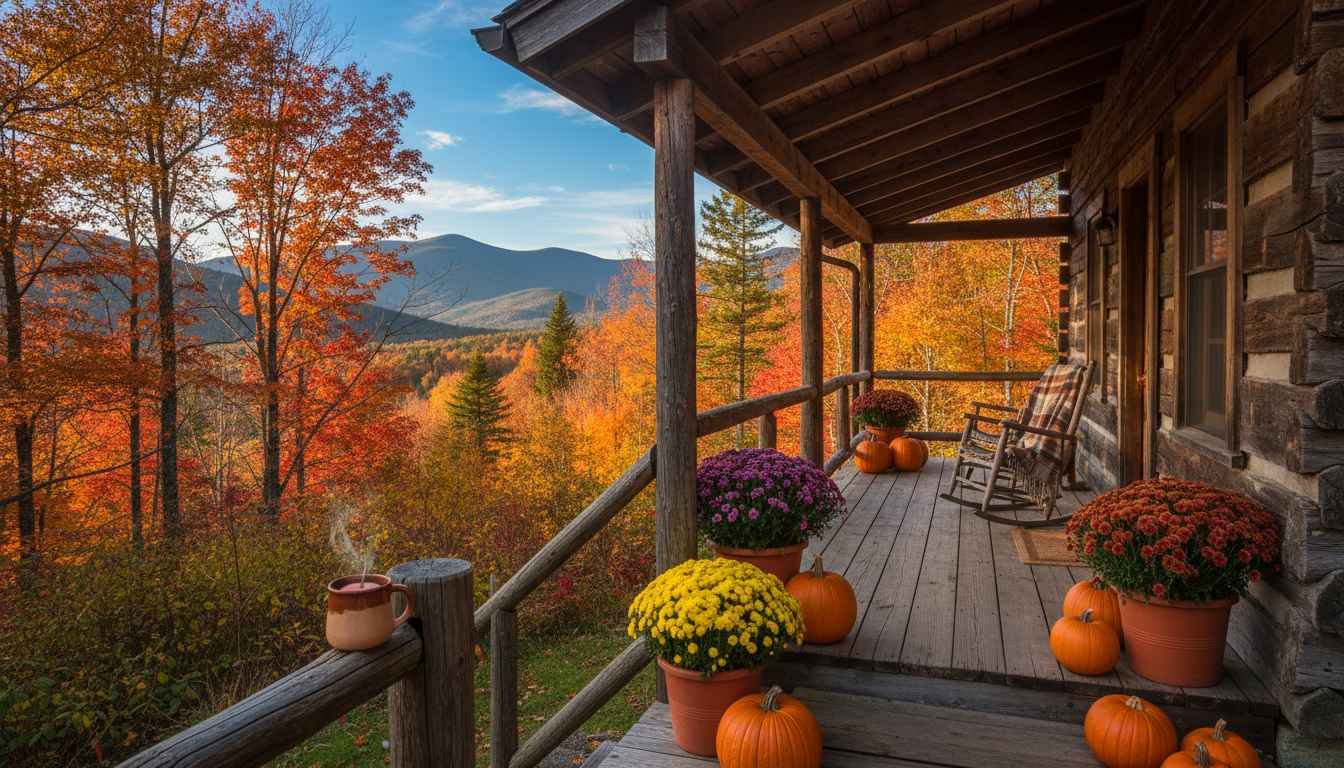
Vermont is small — you can cross it in a few hours — but it packs an outsized range of trips into that space: ski towns, a lakeside college city, storybook villages, and some of the best fall color on the planet. Start with these places and you won’t go wrong.
Stowe: The Mountain Town That Does Everything
Stowe is Vermont’s best-known mountain town, and it earns the reputation year-round. In winter, Stowe Mountain Resort offers the state’s most extensive skiing beneath Mount Mansfield — at 4,393 feet, the highest peak in Vermont, with a forehead-and-nose profile you can pick out from miles away. Summer flips the script: the 5.3-mile Stowe Recreation Path is made for biking and strolling, and the gondola runs for sightseers. The village itself is classic New England — white church steeple, general store, covered bridge on the edge of town.
Burlington: Vermont’s Lively Lakeside City
Vermont’s largest city sits on the eastern shore of Lake Champlain, with the Adirondacks rising across the water in New York. Church Street Marketplace — a four-block pedestrian mall of shops, restaurants and street performers — is the beating heart of downtown. Rent a bike and ride the lakeside path, take a sunset cruise on the lake, or just find a bench on the waterfront and watch the light change over the water. Burlington also makes the best home base if you want restaurants and breweries within walking distance.
Woodstock: The Quintessential Village
If you’re picturing the Vermont of postcards — village green, covered bridges, 19th-century brick storefronts — you’re picturing Woodstock. The Billings Farm & Museum, a working dairy farm and museum of rural life, is the standout attraction and genuinely worth half a day. Walk the village, drive the short loop to the Taftsville and Lincoln covered bridges, and in October, arrive early: this is leaf-peeper ground zero, and the small inns book out weeks ahead.
Smugglers’ Notch: The Drive Itself Is the Attraction
The mountain pass between Stowe and Jeffersonville — Route 108 through Smugglers’ Notch — is one of New England’s great drives: a narrow ribbon of road threading between 1,000-foot cliffs. It’s closed in winter (the snow decides when), which only adds to the legend. Hike the short trail to the top of the notch for the full effect, and time it for fall if you can — the cliffs framed in orange and red are unforgettable.
Quechee Gorge: Vermont’s Little Grand Canyon
Carved by the Ottauquechee River, Quechee Gorge drops 165 feet into a narrow chasm — the deepest gorge in Vermont. The view from the Route 4 bridge is the classic photo, but walk the trail down to the river for the real experience. It’s an easy stop between Woodstock and the White River Valley, and it pairs well with the antique shops and the Vermont Institute of Natural Science’s raptor center nearby.
Waterbury and Shelburne: Two Only-in-Vermont Stops
Two detours that justify themselves. In Waterbury, the Ben & Jerry’s factory tour ends — as all good tours should — with samples, plus the Flavor Graveyard where retired pints are memorialized. On the Lake Champlain shore, Shelburne Farms is a 1,400-acre working farm and historic estate with walking trails, a children’s farmyard and lake views; the Shelburne Museum’s collection of Americana, spread across 45 acres, could fill a rainy day on its own. Traveling with kids? These two pair perfectly with our guide to the best places to visit in New England with kids.
When to Visit Vermont
There is no bad season, only different trips. Fall (late September through mid-October) brings the famous foliage — peak color typically hits the north first, so check foliage reports and book lodging early. Winter (December to March) is ski season. Spring (late March into April) is sugaring season, when sugarhouses boil sap into maple syrup and many offer tours and tastings. Summer means hiking, lake swimming and farmers’ markets with the fewest crowds. For official trip ideas by season, VermontVacation.com, the state’s official tourism site, is the most reliable starting point. And if foliage is your mission, consider extending the drive — our guide to places to visit near Boston in fall covers the rest of New England’s color.
Getting Around Vermont
You need a car — full stop. Public transport between towns is thin, and the best of Vermont is on the back roads anyway. Fly into Burlington International Airport for the north, or drive up from Boston (about three and a half hours to the southern border). In winter, carry proper tires; in mud season (late March to April), some dirt roads are best avoided.
FAQ
- What is the best month to visit Vermont?
October for fall foliage, February for peak ski season, July for hiking and lake weather. Each has a clear claim — pick the Vermont you want. - How many days do you need in Vermont?
Four to five days lets you do Stowe, Burlington and Woodstock without rushing. A long weekend works if you pick one base and day-trip. - Is Vermont expensive to visit?
It can be — small inns and ski-town dining add up, especially in foliage season and ski season. Summer and late spring offer the best value.
Final Thoughts
Vermont rewards the traveler who slows down: the back road instead of the highway, the general store instead of the chain, the overlook you didn’t plan to stop at. Pick your season, pick your town, and let the Green Mountains do the rest.