
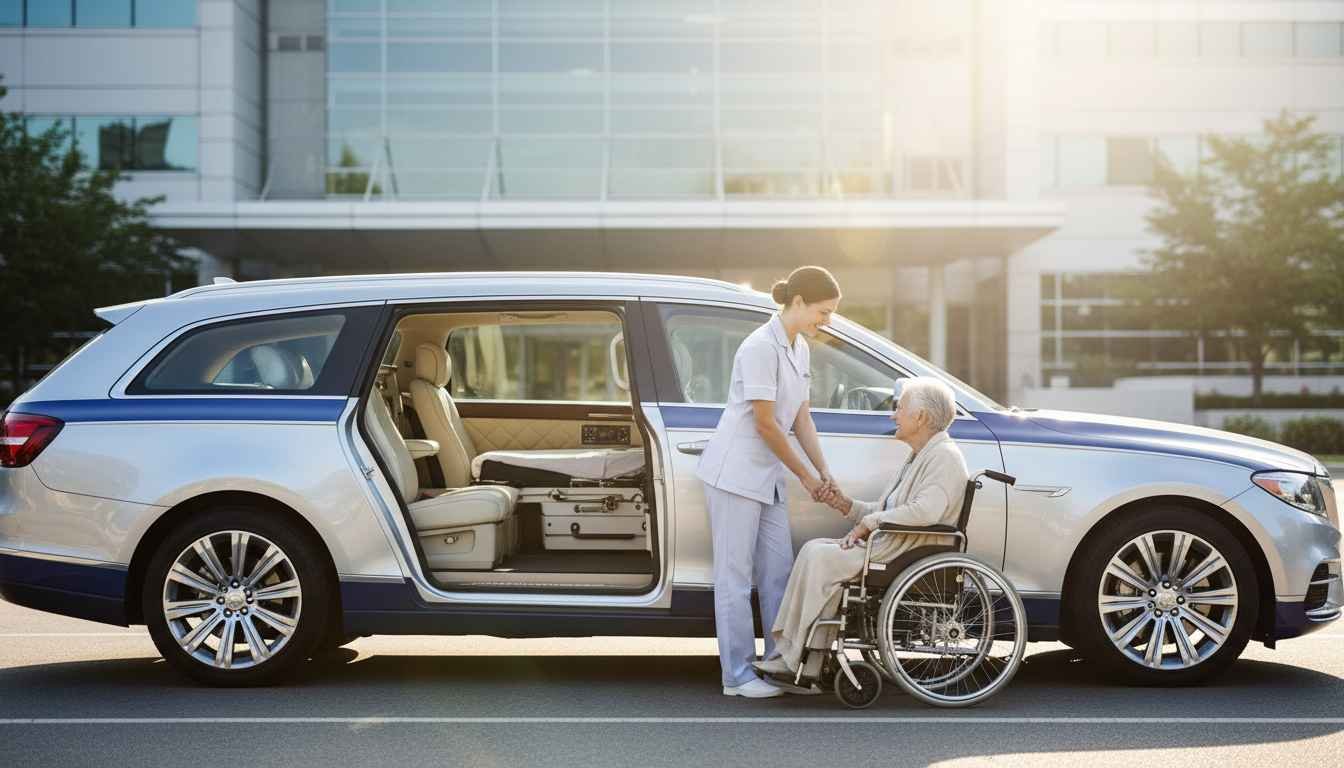

Just as gravity dictates the pull of objects toward the Earth, the principles of divine medical transportation govern the flow of care and patient safety. In the realm of healthcare logistics, ensuring a patient reaches their destination in comfort, security, and efficiency isn’t just a service – it’s a science. Divine medical transportation combines medical expertise, cutting-edge technology, and compassionate care to redefine what mobility looks like for those who need it most.
Imagine stepping into a luxury vehicle designed not only for comfort but for life-critical care. From oxygen support systems to real-time vital monitoring, divine medical transportation transforms a simple ride into a full-spectrum health protocol on wheels. This concept aligns perfectly with premium mobility solutions like Luxe Fifth Wheel, where the focus on luxury, space, and functionality mirrors the meticulous attention needed in medical transit.
What Makes Transportation ‘Divine’?
The term ‘divine’ isn’t just marketing flair – it refers to an elevated standard of patient-centered transportation. Divine medical transportation integrates several key components:
- Medical Readiness: Vehicles are equipped with medical-grade equipment, trained personnel, and protocols for emergencies.
- Personalized Care: Every ride is tailored to the patient’s specific medical requirements, from mobility aids to continuous monitoring.
- Luxury and Comfort: Unlike traditional ambulance transport, divine medical transportation prioritizes a serene, stress-free environment, essential for recovery.
- Reliability and Safety: GPS tracking, real-time communication with healthcare providers, and adherence to health regulations ensure peace of mind.
The Anatomy of a Divine Medical Transport Vehicle
Understanding the ‘how’ is crucial. These vehicles aren’t just ambulances in designer clothes – they are meticulously engineered platforms for medical care. Features often include:
- Adjustable, ergonomically designed patient seating with recline and support systems.
- Integrated life-support systems, including oxygen delivery, suction devices, and cardiac monitoring.
- Climate control systems to maintain optimal patient comfort and prevent complications.
- Secure storage for medications and emergency kits, ensuring immediate availability when needed.
- Communication systems for constant contact with hospital teams, maintaining care continuity.
Why Divine Transportation Matters
For patients with chronic conditions, post-surgical needs, or acute medical events, transportation isn’t just a ride – it’s a medical intervention. Every minute matters, and the environment during transit directly impacts recovery outcomes. Stress, jostling, and lack of monitoring can exacerbate conditions, whereas divine medical transportation provides a stable, controlled, and supportive environment, mirroring the care standards found in top-tier hospitals.
Health Protocol Breakdown: Step by Step
Divine medical transportation follows a structured health protocol that ensures patient safety at every mile. This breakdown reveals the science behind the ride:
1. Pre-Transit Assessment
Before departure, medical professionals conduct a detailed evaluation. Vital signs are recorded, mobility limitations assessed, and emergency protocols tailored to the individual. This ensures the transport team is prepared for any scenario.
2. Vehicle Customization
Based on the assessment, the vehicle is configured. Oxygen tanks, monitoring devices, and seating adjustments are calibrated. This proactive setup reduces risks during transit and enhances patient comfort.
3. Continuous Monitoring
Throughout the journey, vital signs are continuously tracked. Any fluctuations trigger immediate intervention, with the team trained to stabilize patients en route, effectively transforming the vehicle into a mobile ICU when needed.
4. Arrival Coordination
Divine medical transportation doesn’t end at the door. Staff coordinate with hospital teams, ensuring a smooth transfer and continuity of care. This reduces delays and minimizes the stress of transition for patients and families.
Who Should Avoid This? Potential Drawbacks
While divine medical transportation is transformative, it isn’t universally applicable. Patients with highly unstable conditions may still require specialized hospital-grade transport with onboard paramedics. Additionally, accessibility to divine medical transportation services can be limited by geography and cost. Understanding these limitations ensures patients choose the most appropriate care pathway without compromising safety.
Benefits Beyond Medical Necessity
Beyond critical medical needs, divine medical transportation offers lifestyle benefits. For long-term care patients or individuals recovering from surgery, luxury transport reduces anxiety, improves adherence to medical appointments, and even enhances mental well-being. Integrating comfort with clinical vigilance ensures that the patient experience isn’t just safe – it’s dignified.
FAQ
What conditions qualify for divine medical transportation?
Patients with mobility challenges, chronic illnesses, post-surgery needs, or acute medical episodes often benefit most. Each service customizes protocols to the patient’s unique health profile.
Is divine medical transportation covered by insurance?
Coverage varies by provider and region. Many luxury or specialized services are considered elective, so patients may need to verify benefits or explore out-of-pocket options.
Can family members travel with the patient?
Yes. Vehicles are designed with space for family or caregivers, supporting emotional well-being alongside medical care.
How do I choose a service provider?
Look for licensed, insured operators with trained medical staff, up-to-date equipment, and positive reviews from healthcare professionals or past patients.
Final Thoughts: The Future of Patient Mobility
Divine medical transportation represents a fusion of healthcare precision and luxury mobility. It’s a testament to the idea that medical care doesn’t have to feel clinical or stressful – it can be seamless, safe, and even uplifting. By prioritizing patient-centric protocols, real-time monitoring, and comfort-first design, this approach sets a new standard for how we think about moving those who need care most.