

Standing in front of the mirror, you can see the story your skin has been telling for years: faint lines at the corners of your eyes, a little uneven tone across your cheeks, pores that seem more visible than they used to be. Retinol promises to rewrite that story, and the science backs it up — but a skincare routine with retinol only works when you build it with patience and precision. Start too fast, and you get redness and flaking. Start smart, and twelve months from now your skin can genuinely look smoother, brighter, and more even.
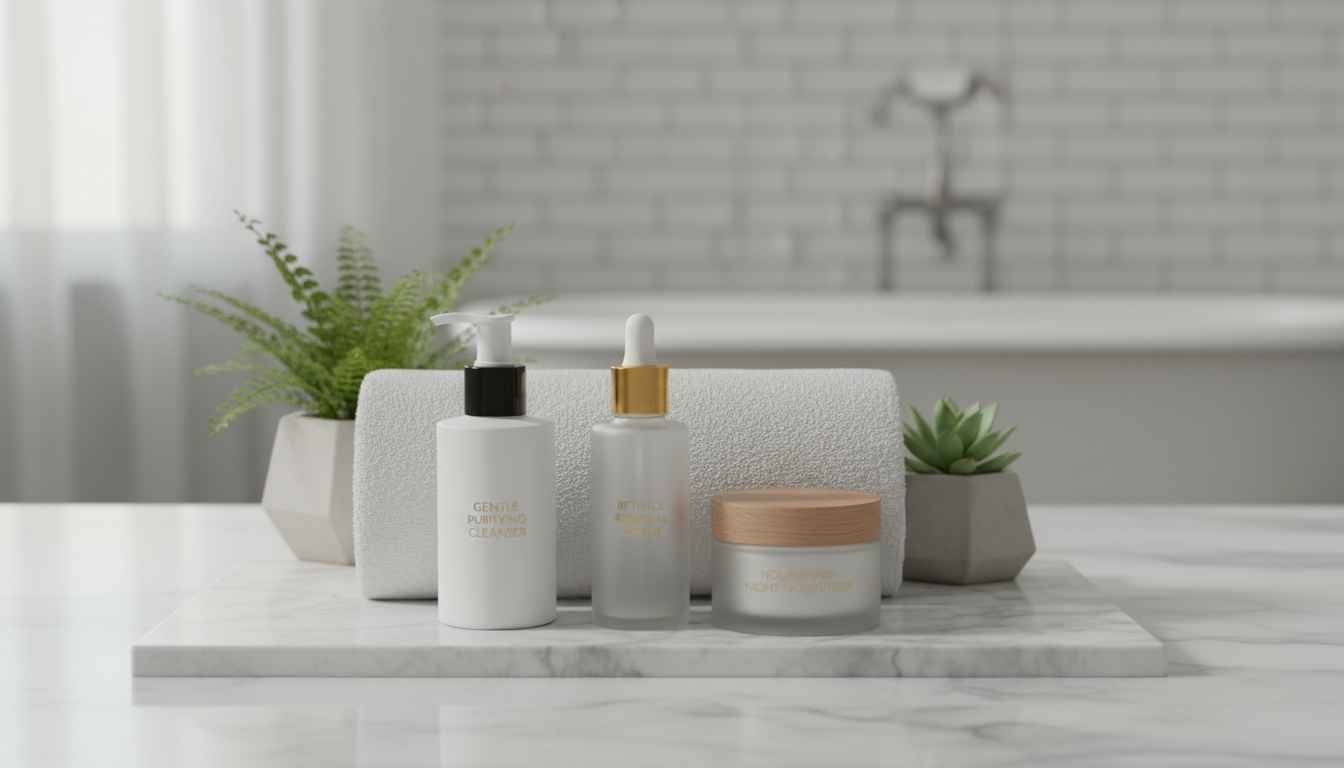
This guide walks you through exactly how to add retinol to your routine safely: what it is, how it works, how to choose the right strength, and the week-by-week plan that gets results without the irritation horror stories.
What Retinol Is and How It Transforms Your Skin
Retinol is a form of vitamin A and one of the most studied skincare ingredients in dermatology. Once applied, it converts into retinoic acid in the skin, which speeds up cell turnover and signals your skin to produce more collagen — the structural protein that keeps skin firm and resilient.
That mechanism explains its well-documented benefits:
- Fewer fine lines and wrinkles: increased collagen production gradually firms skin and softens lines.
- More even tone: faster cell turnover fades dark spots and sun damage over time.
- Smaller-looking pores: clear, unclogged pores appear tighter and more refined.
- Smoother texture: dull, rough buildup is replaced by fresh, even skin cells.
Retinol is available over the counter in concentrations from 0.1% to 1%, while prescription retinoids (like tretinoin) are stronger and act faster — but also irritate more. For most people beginning a skincare routine with retinol, a low-strength over-the-counter product is the right starting point.
How to Build Your Retinol Routine: Step by Step
A good retinol routine is not complicated, but order and timing matter. Retinol belongs in your evening routine because sunlight breaks it down and can make skin more sun-sensitive.
Your Evening Routine With Retinol
- Gentle cleanser. Remove makeup, sunscreen, and the day’s buildup with a mild, non-foaming cleanser. Pat dry — never rub.
- Optional: hydrating serum. If your skin runs dry, apply a hyaluronic acid or glycerin serum to damp skin first.
- Pea-sized amount of retinol. Dot it across your forehead, cheeks, and chin, then smooth outward. Avoid the eye area, lips, and nostrils.
- Moisturizer. Seal everything in with a rich, fragrance-free moisturizer to buffer irritation and lock in hydration.
Your Morning Routine (Protection Day)
- Gentle cleanse — a light rinse or mild cleanser is enough.
- Antioxidant serum (optional) — vitamin C pairs well with a retinol habit, brightening alongside it.
- Moisturizer — keep skin barrier strong.
- Sunscreen, SPF 30+. Non-negotiable. Retinol increases sun sensitivity, so daily broad-spectrum sunscreen is what protects the progress you’re making.
Choosing the Right Retinol Strength
Start with 0.1% to 0.25% if you are new to retinol or have sensitive skin. After 2–3 months of comfortable use, you can step up to 0.3%–0.5%. Products at 1% are potent and best reserved for experienced users or specific concerns under a dermatologist’s guidance.
Look for formulas in opaque, airless packaging — retinol degrades in light and air — and choose well-made products from reputable brands rather than chasing the highest percentage. For broader perspective on how innovation is reshaping what your products can do, this look at the future of skincare innovation is worth reading alongside this guide.
The 12-Week Timeline: What to Actually Expect
Retinol rewards consistency, not speed. Here is the realistic arc:
- Weeks 1–2: skin adjusts; you may notice mild dryness, tightness, or slight flaking. This is normal “retinization.”
- Weeks 3–6: adjustment settles as you increase frequency; texture often starts looking more even.
- Weeks 8–12: visible improvements — softer fine lines, brighter tone, more refined pores.
- Months 4–12: cumulative collagen building continues; this is where the real transformation shows.
If irritation goes beyond mild dryness — burning, persistent redness, raw patches — pause for a few days, moisturize well, and restart at a lower frequency. And when you shop for the rest of your routine, remember that choosing quality products for your beauty routine matters as much as the retinol itself: gentle, well-formulated companions prevent most side effects.
Common Mistakes That Sabotage Retinol Results
- Starting too strong, too often. Every night from day one is the classic error. Begin 2 nights a week, add one night per week as tolerated.
- Mixing with harsh actives. Don’t layer retinol with strong acids (glycolic, salicylic) or benzoyl peroxide in the same routine until your skin is fully adjusted — or alternate nights instead.
- Skipping sunscreen. Without it, UV damage outpaces retinol’s repair. The American Academy of Dermatology notes retinol’s anti-aging benefits alongside the importance of sun protection.
- Expecting overnight results. Quitting at week three is why most “retinol didn’t work for me” stories exist.
- Using too much product. A pea-sized amount covers the whole face; more product means more irritation, not faster results.
Who Should Skip Retinol — or Ask a Doctor First
Retinol is not for everyone. Avoid it or get medical guidance if you are pregnant, trying to conceive, or breastfeeding — topical retinoids are not considered safe in pregnancy. People with eczema, rosacea, or highly reactive skin should introduce it only under a dermatologist’s supervision. If you take photosensitizing medications or have an upcoming laser or peel treatment, pause retinol and follow your provider’s instructions.
FAQ:
How long does a skincare routine with retinol take to show results?
Most people notice texture and tone improvements around 8–12 weeks of consistent use, with continued gains over 6–12 months.
Can you use retinol every night?
Eventually, yes — many users work up to nightly use. But begin at 2 nights per week and increase gradually based on how your skin responds.
Should retinol go on before or after moisturizer?
Standard order is before moisturizer on dry skin. If you are sensitive, apply moisturizer first, wait a few minutes, then apply retinol — the “buffer” method reduces irritation.
Can you use vitamin C and retinol together?
Yes, but not in the same application. Use vitamin C in the morning and retinol at night to get both benefits without irritation.
Final Thoughts
A skincare routine with retinol is one of the few anti-aging strategies with decades of evidence behind it — but it is a marathon, not a sprint. Choose a low strength, introduce it slowly, protect your barrier with moisturizer and sunscreen, and give it three months before you judge. The skin you want a year from now is built one careful evening at a time, and retinol, used patiently, remains one of the most reliable tools for getting there.