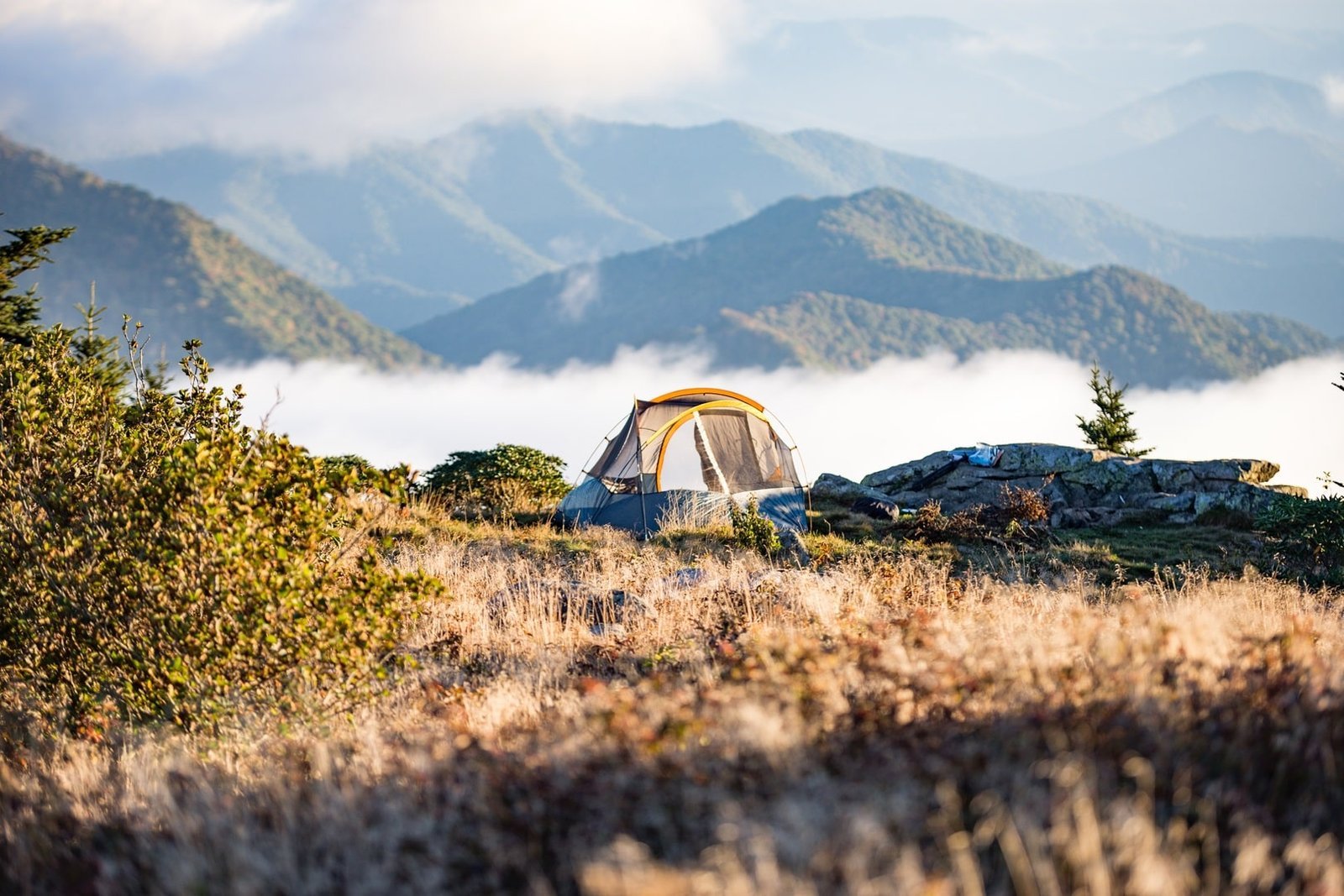

Close your eyes and picture the most beautiful place on Earth you’ve ever seen in a photograph — chances are it was one of these. From mountains that scrape the sky to reefs that glow beneath it, the top nature places to visit in the world share one quality: they make you feel small in the best possible way. This guide gathers the planet’s great natural wonders, with honest notes on what each one is actually like to visit.
1. The Himalayas, Nepal and Tibet
The highest mountain range on Earth needs no superlatives, but it earns them: eight of the world’s fourteen 8,000-meter peaks stand in the Nepalese Himalayas. You don’t need to be a climber to experience them — the Everest Base Camp trek and the Annapurna Circuit are among the world’s great multi-day hikes, with teahouses replacing tents along the way. Spring (March–May) and autumn (October–November) offer the clearest skies. Even a short mountain flight from Kathmandu at dawn, with Everest floating above the clouds, is unforgettable.
2. The Andes and Machu Picchu, Peru
The Andes run the length of South America, but their most famous meeting of nature and history is Machu Picchu: the 15th-century Inca citadel set on a ridge 2,430 meters up, wrapped in cloud forest. The classic four-day Inca Trail sells out months ahead and requires a licensed operator; the site itself limits daily entries, so book tickets early. Beyond the citadel, the Sacred Valley’s markets and the high Andes’ condor country reward travelers who linger.
3. The Great Barrier Reef, Australia
The world’s largest coral reef system — visible from space, built by billions of tiny organisms — stretches over 2,300 kilometers off Queensland. Snorkeling or diving it is like entering another planet: giant clams, reef sharks, sea turtles, and coral gardens in impossible colors. Go sooner rather than later; repeated bleaching events have damaged sections of the reef, and responsible operators now brief visitors on reef-safe sunscreen and no-touch rules. Cairns and Port Douglas are the main gateways.
4. The Norwegian Fjords
Carved by glaciers, Norway’s fjords — Geirangerfjord and Nærøyfjord are UNESCO-listed — are sheer cliffs, waterfalls, and deep blue water on a scale photographs can’t capture. The classic way to see them is by water: the Hurtigruten coastal voyage, a fjord cruise from Bergen or Flåm, or a kayak at dawn when the water goes glassy. Summer brings the midnight sun; September adds autumn color with fewer crowds.
5. The Amazon Rainforest
Covering much of northwestern Brazil and parts of eight other countries, the Amazon holds around one in ten of the planet’s known species. Visit from a jungle lodge — in Brazil near Manaus, in Peru near Iquitos or Puerto Maldonado — with local guides who can spot sloths, macaws, pink river dolphins, and caiman on night walks you’d never manage alone. The dry season (June–October) means fewer mosquitoes and better trail access.
6. Yellowstone National Park, USA
The world’s first national park remains its most astonishing: half of the planet’s active geysers, including Old Faithful, plus bison herds, wolves, grizzlies, and the Grand Prismatic Spring’s impossible colors — all sitting atop a supervolcano. Summer is glorious but crowded; visit in September for elk bugling season and thinner crowds, or in winter for a snowcoach tour of a steaming, silent landscape. If Yellowstone whets your appetite for American wilderness, our best places to visit in the US guide covers more of the country’s great outdoors.
7. The Serengeti and Ngorongoro Crater, Tanzania
The annual wildebeest migration — over a million animals moving through the Serengeti in a thundering, predator-shadowed cycle — is the greatest wildlife spectacle on Earth. The neighboring Ngorongoro Crater, a collapsed volcano forming a natural amphitheater, packs lions, elephants, rhinos, and hippos into one compact, game-rich bowl. The dry season (June–October) offers the best viewing; the migration’s river crossings typically peak around July–September.
8. Iguazu Falls, Argentina and Brazil
Taller than Niagara and wider than Victoria, Iguazu’s 275 individual cascades thunder through subtropical jungle on the Argentina–Brazil border. See both sides: Argentina’s trails take you above and between the falls (including the walkway over the Devil’s Throat), while Brazil’s panoramas show the full curtain at once. Eleanor Roosevelt’s reported reaction — “Poor Niagara!” — still sums it up.
9. The Maldives
A thousand coral islands scattered across the Indian Ocean, the Maldives are the definitive tropical escape: house reefs steps from your villa, manta rays and whale sharks on seasonal migrations, and water so clear the boats seem to float on air. It’s also the world’s lowest-lying country, which lends every sunset a quiet poignancy. Visit in the dry northeast monsoon (November–April) for the calmest seas.
10. Plitvice Lakes, Croatia
Sixteen terraced lakes linked by waterfalls, in colors that shift from azure to emerald with the minerals and light — Plitvice is Europe’s great water wonder and a UNESCO World Heritage site. Wooden boardwalks thread directly over and beside the cascades, making it one of the most walkable natural wonders on this list. Go early in the morning or in the shoulder seasons (May, September–October) to beat the tour-bus crowds; it’s also a natural pairing with our guide to the best places in the lakes to visit.
FAQ
What is the single most impressive natural wonder in the world?
There’s no honest single answer — it depends what moves you. For sheer scale, the Grand Canyon or the Himalayas; for life, the Serengeti migration or the Great Barrier Reef; for beauty, the fjords or Plitvice. Pick the one that matches the kind of awe you’re after.
When is the best time to visit these natural wonders?
There’s no universal season — each destination has its own window, noted above. As a rule, shoulder seasons (spring and autumn) beat peak summer almost everywhere for crowds, prices, and often weather too.
How can I visit fragile places like reefs and rainforests responsibly?
Choose licensed local operators, follow no-touch and leave-no-trace rules, use reef-safe sunscreen, and prefer lodges and tours that employ local guides and contribute to conservation. The UNESCO World Heritage Centre (whc.unesco.org) is a good starting point for understanding which sites need the most careful visiting.
Final Thoughts
The top nature places to visit in the world have a way of recalibrating you. You arrive with a camera and a checklist; you leave quieter, having stood next to something vastly older and larger than yourself — a glacier-carved fjord, a 2,000-year-old reef system, a migration that predates human history. Pick one from this list and start planning. The wonder is real, it’s still there, and it rewards everyone who makes the effort to see it in person.