

You can feel it in the air on the first cold morning of the season: winter is on its way, and your home is about to work harder than it has all year. A little preparation now — before the first hard freeze — saves you from burst pipes, icy drafts, and heating bills that climb every month. This checklist walks you through your whole home, room by room and system by system, so nothing important gets missed.
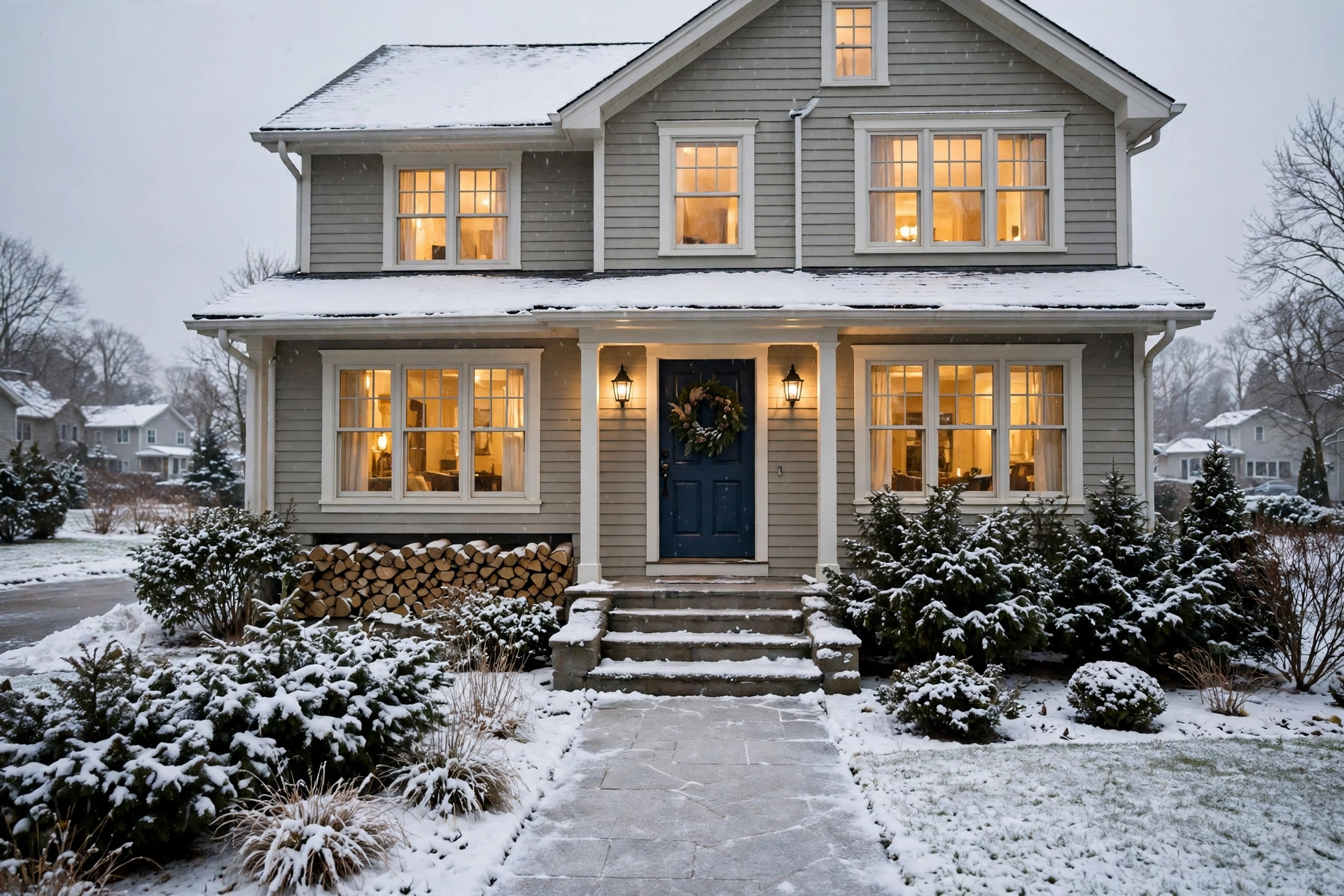
Start Early and Work From the Outside In
The best time to winterize your home is before the cold settles in, while you can still work outside comfortably and book a technician without a waiting list. Start with the exterior and the heating system, then move indoors to insulation, plumbing, and safety checks. Tackle one section per weekend if you prefer, but do not leave the heating and plumbing checks until the first freeze warning — by then, repair schedules fill up fast.
Give Your Heating System a Checkup First
Your furnace or heat pump is the hardest-working system in your home all winter, so it deserves attention first. Replace the air filter, clear dust and clutter from around the unit, and make sure every vent in the house is open and unblocked by furniture or rugs. If your system has not been serviced in the past year, book a professional tune-up now: a technician can catch a worn belt, a dirty burner, or a failing igniter before it becomes a no-heat emergency on the coldest night of the year. The same routine matters for cooling equipment too — learn how often you should service your home AC unit so both halves of your HVAC system stay on a sensible schedule.
While you are at it, test your thermostat. Switch it to heat, set the temperature a few degrees above the current room temperature, and listen for the system to start. If it hesitates, cycles on and off, or blows cool air, call for service now rather than in January. The U.S. Department of Energy suggests keeping the thermostat at 68°F while you are awake at home in winter and lowering it when you are asleep or away — a small habit that trims energy use without sacrificing comfort.
Seal Drafts and Add Insulation Where It Counts
Drafts are the quietest way winter steals heat from your home. On a windy day, hold a lit incense stick or a thin piece of tissue near windows, doors, and electrical outlets on exterior walls; movement means air is leaking in. Apply weatherstripping around doors and caulk around window frames where you find gaps. Foam outlet gaskets behind switch plates on exterior walls are a cheap fix that makes a real difference.
Check the attic next. If you can see the ceiling joists through the insulation, you probably need more — the U.S. Department of Energy offers practical guidance on weatherizing your home against drafts and heat loss. Pay special attention to the attic hatch, which is often the worst-sealed opening in the house. A simple insulated hatch cover or a strip of weatherstripping around the frame helps a lot.
Protect Your Pipes From Freezing
Frozen pipes are one of the most expensive winter home disasters, and they are also one of the easiest to prevent. Insulate exposed pipes in unheated spaces — basements, crawl spaces, attics, and garages — with foam pipe sleeves, which cost little and take minutes to fit. Disconnect garden hoses, drain outdoor faucets, and shut off the water supply to exterior spigots if your home has a separate valve for them.
Inside, know where your main water shut-off valve is before you need it in a hurry. During a hard freeze, let faucets on exterior walls drip slightly and open the cabinet doors under kitchen and bathroom sinks so warm air reaches the pipes. Your water heater works harder in cold weather too, so flush a little sediment from the tank if you know how, and watch for warning signs — signs your water heater is about to fail include rusty water, rumbling noises, and water that never gets properly hot.
Check the Roof, Gutters, and Exterior
Walk around your home and look up. Missing or curled shingles, cracked flashing around the chimney, and loose gutters all get worse under snow and ice. Clean the gutters and downspouts thoroughly so melting snow can drain instead of pooling and forming ice dams at the roof edge. Make sure downspouts direct water at least a few feet away from the foundation.
Trim back any tree branches that hang over the roof or near power lines — heavy snow or ice can bring them down. If you have a driveway or walkway, stock up on ice melt and a sturdy snow shovel now, before the first storm empties the shelves. Check outdoor lighting as well; winter brings long, dark evenings, and a well-lit path to the door is a safety basic.
As you embark on the essential task of preparing your home for the winter months, it’s prudent to consider the broader implications of maintaining a comfortable living environment. Seasonal transitions often prompt homeowners to reevaluate not just their heating systems and insulation, but also the overall cleanliness and upkeep of their homes. With shorter days and longer nights, hiring professional help for routine cleaning can become an appealing option. Understanding the financial aspect of this decision is crucial; for instance, many people wonder how much does it cost to hire a house cleaner, as this can significantly impact budgeting for winter preparations. By factoring in these costs, you can ensure that your home remains a warm, welcoming sanctuary throughout the colder months, allowing you to focus on enjoying the season rather than merely surviving it.
Windows, Doors, and the Little Leaks
If your windows have storm windows, put them in place and check that they close and latch properly. For older single-pane windows, a clear insulating film kit is an inexpensive seasonal fix that cuts drafts noticeably. Replace worn door sweeps on exterior doors, and check the seal on the garage door — a gap at the bottom lets in cold air and, sometimes, mice looking for warmth.
Reverse your ceiling fans to run clockwise at low speed. This pushes warm air that collects near the ceiling back down into the room, which makes the space feel warmer without touching the thermostat. It takes a minute per fan and costs nothing.
Safety Checks: Detectors, Fireplace, and Emergency Supplies
Winter is the season when heating equipment runs constantly, so safety checks matter more than ever. Test every smoke detector and carbon monoxide detector in the house and replace batteries now. If you use a fireplace or wood stove, have the chimney inspected and cleaned by a professional before the first fire of the season — creosote buildup is a genuine fire risk.
Put together a small winter emergency kit: flashlights and spare batteries, a few gallons of drinking water, non-perishable food, blankets, and a battery-powered phone charger. If a winter storm knocks out power, you will be glad the kit was ready. Keep your car emergency kit stocked too, with a blanket, a scraper, and a small bag of sand or cat litter for traction.
Your Room-by-Room Winter Checklist
Use this quick pass to make sure nothing slips through:
- Basement and crawl space: insulate exposed pipes, check for drafts around windows, test the sump pump.
- Kitchen: open cabinet doors under sinks during freezes, check the window seals, confirm the dishwasher and fridge water lines are secure.
- Bathrooms: insulate pipes on exterior walls, check exhaust fans, keep a small drip running during hard freezes.
- Bedrooms: check window seals, reverse ceiling fans, add heavier bedding and draft stoppers at the doors.
- Garage: seal the door, insulate any exposed pipes, store hoses and summer tools properly.
- Attic: check insulation depth, seal the hatch, make sure vents are clear of stored boxes.
- Outdoors: clean gutters, disconnect hoses, shut off exterior faucets, trim branches, stock ice melt.
FAQ:
When should I start preparing my home for winter?
Start in early fall, before the first freeze. Heating service appointments and supplies are easier to get in October and early November than after the first cold snap, when technicians and stores are at their busiest.
What is the single most important winter prep task?
Servicing the heating system and protecting the pipes. A failed furnace in January is an emergency, and a burst pipe can cause thousands of dollars of water damage. Both are cheap to prevent and expensive to fix.
How cold should I keep my house when I go away in winter?
Never turn the heat off entirely. Keep the thermostat at 55°F or above so pipes stay safe, and ask a neighbor or friend to check in if you will be away for more than a few days.
Do I need to insulate pipes if I live in a mild climate?
Yes, if temperatures ever drop below freezing. Homes in mild climates are often the most vulnerable because their pipes run through unheated spaces with little insulation. One hard freeze is all it takes.
Final Thoughts
Preparing your home for winter is not one big project — it is a dozen small ones, each taking minutes or an hour, that add up to a warm, dry, safe season. Work through this checklist before the cold arrives, and you will spend the winter enjoying your home instead of repairing it. Start with the heating system and the pipes, seal the drafts you can feel, and finish with the safety checks that protect your family. Come spring, you will be glad you did the work now.